Shab-e-Barat (شبِ برات), also known as Laylat-un-Nisf min Sha‘ban, is a blessed night in Islam that falls on the 15th night of the Islamic month of Sha‘ban. It is widely observed in South Asia and other Muslim communities as a night of forgiveness, mercy, and preparation for Ramadan.
One of the main reasons for the importance of this night is the belief, based on authentic hadith, that Allah turns toward His creation with mercy on this night and forgives sins, except for those who persist in shirk or harbor hatred in their hearts. This makes the night a powerful moment for sincere repentance (taubah), seeking forgiveness (istighfar), and turning back to Allah with humility.
It is also considered a night of reflection and accountability. Many Muslims use this time to review their actions, correct their intentions, and make heartfelt du‘a for guidance, health, and success in both worldly and spiritual matters. It serves as a reminder that life is temporary and that returning to Allah with a clean heart is essential.
Another significance of Shab E Barat is its role as a spiritual preparation for Ramadan. Worship performed on this night helps believers mentally and spiritually ready themselves for the coming month of fasting, prayer, and self-discipline. Those seeking extra reward commonly practice voluntary acts such as nafl prayers, Qur’an recitation, and fasting the following day.
Why Is Shab-e-Barat Important?
It is believed to be a night when Allah’s mercy is abundant, sins are forgiven, and destinies for the coming year are written—by the will of Allah.
The Prophet ﷺ said:
“Allah looks at His creation on the middle night of Sha‘ban and forgives all of them except one who associates partners with Him or harbors hatred.” (Ibn Majah)
What Do Muslims Do on this Night?
Common practices include:
Extra prayers (Nafl)
Du‘a and repentance (Istighfar)
Recitation of the Qur’an
Remembering deceased loved ones
Fasting the next day (15th of Sha‘ban) – considered recommended by many scholars
In some cultures, people also visit graveyards to pray for the deceased.
FAQs About Shab-e-Barat
Is Shab-e-Barat mentioned in the Qur’an? The Qur’an does not mention it by name. Hadith support its significance, and scholars emphasize observing it with sincere worship without fixed or compulsory rituals.
What acts of worship are recommended on Shab-e-Barat? Recommended acts include offering voluntary (nafl) prayers, making du‘a, seeking forgiveness (istighfar), reciting the Qur’an, and remembering Allah. Many also choose to fast on the following day, the 15th of Sha‘ban.
Is visiting graveyards on Shab-e-Barat allowed? Visiting graveyards to make du‘a for the deceased is permissible in Islam. However, one should do it respectfully and without believing that it is an obligatory practice specific to this night.
Are special prayers or celebrations required on this night? No, Worship should be simple, sincere, and in accordance with the Qur’an and Sunnah, avoiding innovations or excessive practices.
Is Shab-e-Barat celebrated by all Muslims? Practices vary among Muslim communities. Some observe it actively, while others focus on general worship without giving it special emphasis. All agree that seeking forgiveness and remembering Allah are always beneficial.
What is the main message of Shab-e-Barat? The main message is repentance, forgiveness, and spiritual preparation—encouraging believers to cleanse their hearts and strengthen their relationship with Allah.
Conclusion
Shab-e-Barat is a night that reminds believers of Allah’s boundless mercy and the importance of sincere repentance. It offers a valuable opportunity to seek forgiveness, reflect on one’s actions, and turn back to Allah with a humble heart. Rather than focusing on rituals or celebrations, the true essence of Shab-e-Barat lies in sincere worship, du‘a, and self-correction.
As a spiritual pause before the arrival of Ramadan, it encourages Muslims to prepare their hearts and intentions for the blessed month ahead. By using this night to seek closeness to Allah, strengthen faith, and purify the soul, believers can welcome Ramadan with renewed hope, clarity, and devotion. May Allah grant us forgiveness and guide us on the straight path. Ameen.



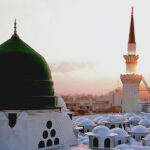
Shab-e-Barat: Meaning and Importance in Islam
Shab-e-Barat (شبِ برات), also known as Laylat-un-Nisf min Sha‘ban, is a blessed night in Islam that falls on the 15th night of the Islamic month of Sha‘ban. It is widely observed in South Asia and other Muslim communities as a night of forgiveness, mercy, and preparation for Ramadan.
One of the main reasons for the importance of this night is the belief, based on authentic hadith, that Allah turns toward His creation with mercy on this night and forgives sins, except for those who persist in shirk or harbor hatred in their hearts. This makes the night a powerful moment for sincere repentance (taubah), seeking forgiveness (istighfar), and turning back to Allah with humility.
It is also considered a night of reflection and accountability. Many Muslims use this time to review their actions, correct their intentions, and make heartfelt du‘a for guidance, health, and success in both worldly and spiritual matters. It serves as a reminder that life is temporary and that returning to Allah with a clean heart is essential.
Another significance of Shab E Barat is its role as a spiritual preparation for Ramadan. Worship performed on this night helps believers mentally and spiritually ready themselves for the coming month of fasting, prayer, and self-discipline. Those seeking extra reward commonly practice voluntary acts such as nafl prayers, Qur’an recitation, and fasting the following day.
Why Is Shab-e-Barat Important?
It is believed to be a night when Allah’s mercy is abundant, sins are forgiven, and destinies for the coming year are written—by the will of Allah.
The Prophet ﷺ said:
What Do Muslims Do on this Night?
Common practices include:
In some cultures, people also visit graveyards to pray for the deceased.
FAQs About Shab-e-Barat
Is Shab-e-Barat mentioned in the Qur’an?
The Qur’an does not mention it by name. Hadith support its significance, and scholars emphasize observing it with sincere worship without fixed or compulsory rituals.
What acts of worship are recommended on Shab-e-Barat?
Recommended acts include offering voluntary (nafl) prayers, making du‘a, seeking forgiveness (istighfar), reciting the Qur’an, and remembering Allah. Many also choose to fast on the following day, the 15th of Sha‘ban.
Is visiting graveyards on Shab-e-Barat allowed?
Visiting graveyards to make du‘a for the deceased is permissible in Islam. However, one should do it respectfully and without believing that it is an obligatory practice specific to this night.
Are special prayers or celebrations required on this night?
No, Worship should be simple, sincere, and in accordance with the Qur’an and Sunnah, avoiding innovations or excessive practices.
Is Shab-e-Barat celebrated by all Muslims?
Practices vary among Muslim communities. Some observe it actively, while others focus on general worship without giving it special emphasis. All agree that seeking forgiveness and remembering Allah are always beneficial.
What is the main message of Shab-e-Barat?
The main message is repentance, forgiveness, and spiritual preparation—encouraging believers to cleanse their hearts and strengthen their relationship with Allah.
Conclusion
Shab-e-Barat is a night that reminds believers of Allah’s boundless mercy and the importance of sincere repentance. It offers a valuable opportunity to seek forgiveness, reflect on one’s actions, and turn back to Allah with a humble heart. Rather than focusing on rituals or celebrations, the true essence of Shab-e-Barat lies in sincere worship, du‘a, and self-correction.
As a spiritual pause before the arrival of Ramadan, it encourages Muslims to prepare their hearts and intentions for the blessed month ahead. By using this night to seek closeness to Allah, strengthen faith, and purify the soul, believers can welcome Ramadan with renewed hope, clarity, and devotion. May Allah grant us forgiveness and guide us on the straight path. Ameen.
Archives
Categories
Archives
Recent Post
Categories
Meta
Calendar