Makkah holds the highest and most sacred position in Islam and is the spiritual center of the Muslim world. It is the city chosen by Allah as the place of the Kaaba, the first house built for His worship, toward which Muslims across the world turn in prayer five times a day. Makkah is also the birthplace of the Prophet Muhammad ﷺ and the location where the Qur’an was first revealed, marking the beginning of Islam. It is home to Masjid al-Haram, the holiest mosque in Islam, where a single prayer carries immense reward. Makkah is the center of Hajj, one of the five pillars of Islam, and the place where Umrah is performed, bringing millions of Muslims together in worship, equality, and unity. Declared a sacred sanctuary, Makkah represents peace, mercy, forgiveness, and complete submission to Allah, making it a city of unmatched spiritual importance for all Muslims.
History of Makkah
Makkah has a history that spans thousands of years and holds a unique place in Islamic belief. Its story is deeply connected with Prophets, divine revelation, and the foundations of monotheism.
Makkah’s history begins with Prophet Ibrahim (peace be upon him), who was commanded by Allah to leave his wife Hajar and his infant son Prophet Ismail in the barren valley of Makkah. By Allah’s mercy, the well of Zamzam miraculously appeared, allowing life to flourish in the area. Later, Prophet Ibrahim and Prophet Ismail rebuilt the Kaaba, establishing Makkah as a center of worship dedicated to the Oneness of Allah.
Over time, tribes settled around the Kaaba, and Makkah became an important religious and trade center in Arabia. However, the original message of monotheism gradually faded, and idol worship spread in and around the Kaaba. Despite this, Makkah remained respected among Arab tribes and continued to attract visitors.
The most significant chapter in Makkah’s history began with the birth of the Prophet Muhammad ﷺ. He was born in Makkah and later received the first revelation of the Qur’an in the Cave of Hira Cave. The Prophet ﷺ دعوت people to worship Allah alone, facing strong opposition from the Quraysh tribe. Due to persecution, he and his companions migrated to Madina, an event known as Hijrah.
Several years later, the Prophet ﷺ returned to Makkah peacefully during the Conquest of Makkah. He cleansed the Kaaba of idols and restored it as a place of pure monotheistic worship. This moment marked the return of Makkah to its original purpose as established by Prophet Ibrahim.
Since then, Makkah has remained the spiritual heart of Islam. It is the destination of Hajj and Umrah, welcoming millions of Muslims each year from all over the world. Its history is not only a record of events but a living legacy of faith, sacrifice, and devotion that continues to inspire Muslims across generations.
It is home to the Kaaba, the first house built for the worship of Allah
Muslims face the Kaaba during every prayer
Hajj, one of the five pillars of Islam, is performed here
Umrah is also performed in this sacred city
It contains Masjid al-Haram, the largest mosque in the world
What Is the Kaaba?
The Kaaba is the sacred structure at the center of Masjid al-Haram. It was built by Prophet Ibrahim and his son Prophet Ismail (peace be upon them). Circumambulating the Kaaba (Tawaf) is a core part of both Hajj and Umrah.
Other Names of the Holy City
This City is also known as:
Makkah al-Mukarramah (The Honored City)
Bakkah (mentioned in the Qur’an)
FAQs About Makkah
1. What is Makkah in Islam? Makkah is the holiest city in Islam. It is the home of the Kaaba and the spiritual center toward which Muslims around the world pray five times a day.
2. Why is Makkah so important to Muslims? Makkah is important because it contains the Kaaba, the first house built for the worship of Allah, and it is the place where Hajj and Umrah are performed. It is also the birthplace of the Prophet Muhammad ﷺ.
Can non-Muslims enter Makkah? No, entry into Makkah is restricted to Muslims only, due to its sacred status in Islam.
Who built the Kaaba? The Kaaba was built by Prophet Ibrahim and his son Prophet Ismail (peace be upon them), by the command of Allah.
What does visiting Makkah feel like for pilgrims? Many pilgrims describe visiting Makkah as a deeply spiritual experience filled with humility, unity, forgiveness, and a strong sense of closeness to Allah.
Conclusion
Makkah is the heart of Islam and the most sacred city for Muslims around the world. It is the home of the Kaaba, the center of prayer, and the destination of Hajj and Umrah—acts of worship that unite millions in faith and humility. Every part of Makkah reflects devotion, sacrifice, and complete submission to Allah.
Visiting Makkah is a life-changing experience that strengthens belief, renews purpose, and deepens a Muslim’s connection with Allah. Whether one stands before the Kaaba in person or holds the longing in their heart, Makkah remains a symbol of unity, mercy, and guidance for the entire Ummah. May Allah grant every believer the opportunity to visit this blessed city. Ameen.


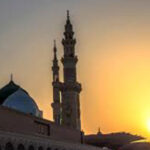
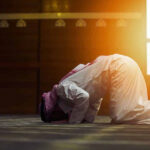
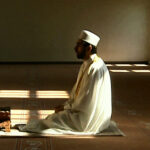
“Makkah in Islam: History, Holiness, and Spiritual Importance”
Makkah holds the highest and most sacred position in Islam and is the spiritual center of the Muslim world. It is the city chosen by Allah as the place of the Kaaba, the first house built for His worship, toward which Muslims across the world turn in prayer five times a day. Makkah is also the birthplace of the Prophet Muhammad ﷺ and the location where the Qur’an was first revealed, marking the beginning of Islam. It is home to Masjid al-Haram, the holiest mosque in Islam, where a single prayer carries immense reward. Makkah is the center of Hajj, one of the five pillars of Islam, and the place where Umrah is performed, bringing millions of Muslims together in worship, equality, and unity. Declared a sacred sanctuary, Makkah represents peace, mercy, forgiveness, and complete submission to Allah, making it a city of unmatched spiritual importance for all Muslims.
History of Makkah
Makkah has a history that spans thousands of years and holds a unique place in Islamic belief. Its story is deeply connected with Prophets, divine revelation, and the foundations of monotheism.
Makkah’s history begins with Prophet Ibrahim (peace be upon him), who was commanded by Allah to leave his wife Hajar and his infant son Prophet Ismail in the barren valley of Makkah. By Allah’s mercy, the well of Zamzam miraculously appeared, allowing life to flourish in the area. Later, Prophet Ibrahim and Prophet Ismail rebuilt the Kaaba, establishing Makkah as a center of worship dedicated to the Oneness of Allah.
Over time, tribes settled around the Kaaba, and Makkah became an important religious and trade center in Arabia. However, the original message of monotheism gradually faded, and idol worship spread in and around the Kaaba. Despite this, Makkah remained respected among Arab tribes and continued to attract visitors.
The most significant chapter in Makkah’s history began with the birth of the Prophet Muhammad ﷺ. He was born in Makkah and later received the first revelation of the Qur’an in the Cave of Hira Cave. The Prophet ﷺ دعوت people to worship Allah alone, facing strong opposition from the Quraysh tribe. Due to persecution, he and his companions migrated to Madina, an event known as Hijrah.
Several years later, the Prophet ﷺ returned to Makkah peacefully during the Conquest of Makkah. He cleansed the Kaaba of idols and restored it as a place of pure monotheistic worship. This moment marked the return of Makkah to its original purpose as established by Prophet Ibrahim.
Since then, Makkah has remained the spiritual heart of Islam. It is the destination of Hajj and Umrah, welcoming millions of Muslims each year from all over the world. Its history is not only a record of events but a living legacy of faith, sacrifice, and devotion that continues to inspire Muslims across generations.
Why Is Makkah So Important in Islam?
Makkah holds unmatched spiritual importance because:
What Is the Kaaba?
The Kaaba is the sacred structure at the center of Masjid al-Haram. It was built by Prophet Ibrahim and his son Prophet Ismail (peace be upon them). Circumambulating the Kaaba (Tawaf) is a core part of both Hajj and Umrah.
Other Names of the Holy City
This City is also known as:
FAQs About Makkah
1. What is Makkah in Islam?
Makkah is the holiest city in Islam. It is the home of the Kaaba and the spiritual center toward which Muslims around the world pray five times a day.
2. Why is Makkah so important to Muslims?
Makkah is important because it contains the Kaaba, the first house built for the worship of Allah, and it is the place where Hajj and Umrah are performed. It is also the birthplace of the Prophet Muhammad ﷺ.
Can non-Muslims enter Makkah?
No, entry into Makkah is restricted to Muslims only, due to its sacred status in Islam.
Who built the Kaaba?
The Kaaba was built by Prophet Ibrahim and his son Prophet Ismail (peace be upon them), by the command of Allah.
What does visiting Makkah feel like for pilgrims?
Many pilgrims describe visiting Makkah as a deeply spiritual experience filled with humility, unity, forgiveness, and a strong sense of closeness to Allah.
Conclusion
Makkah is the heart of Islam and the most sacred city for Muslims around the world. It is the home of the Kaaba, the center of prayer, and the destination of Hajj and Umrah—acts of worship that unite millions in faith and humility. Every part of Makkah reflects devotion, sacrifice, and complete submission to Allah.
Visiting Makkah is a life-changing experience that strengthens belief, renews purpose, and deepens a Muslim’s connection with Allah. Whether one stands before the Kaaba in person or holds the longing in their heart, Makkah remains a symbol of unity, mercy, and guidance for the entire Ummah. May Allah grant every believer the opportunity to visit this blessed city. Ameen.
Archives
Categories
Archives
Recent Post
Categories
Meta
Calendar